
Link Operations Audit: Review How Your Team Manages Links
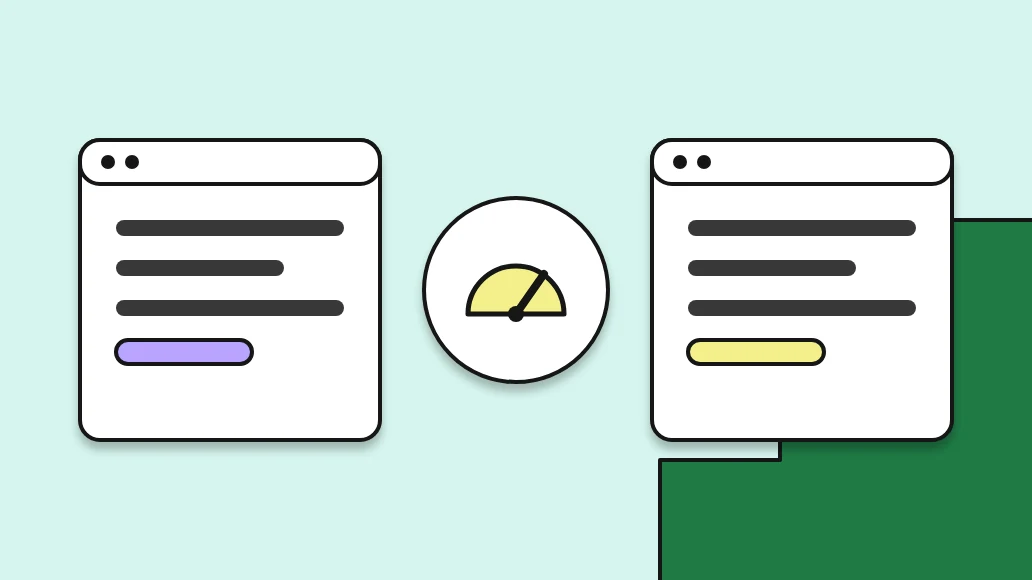
A link operations audit looks at how your team manages link work, rather than at any single link. A backlink audit asks whether links are good. By contrast, a link operations audit asks whether your records, checks, reports and handoffs actually work. So it often explains why links get lost, reports go wrong or the same task gets done twice.
So this guide covers what to review, how to test your processes and how to fix the gaps you find.
Key takeaways on link operations audit
- In short, a link operations audit reviews how your team runs link work, not only the links themselves.
- Check records, link checks, reporting and handoffs for gaps.
- Also, test a sample of links against your records, since mismatches show where processes fail.
- Finally, fix the biggest gaps first and repeat the audit every few months.
Why run a link operations audit
Of course, link work builds up over time. For example, a team starts with one spreadsheet, adds a second for swaps, keeps guest post notes in email and checks links when someone remembers. Then, a year later, nobody is sure which record is right. As a result, links disappear unnoticed, clients see stale reports and new team members struggle to find anything.
Because these problems grow slowly, they're easy to miss day to day. So a periodic audit gives you a clear view of what's working and what isn't.
What a link operations audit covers
In short, a useful link operations audit covers four areas. First, records: where link data lives and whether it's complete. Second, checks: how often links are checked and who acts on changes. Third, reporting: whether reports match the records and what clients see. Fourth, handoffs: how work moves between people, from outreach to tracking to reporting.
Also include partner and client records, since these connect everything else. Our backlink management guide gives a broader view of what good link management involves.
Audit your link records
So start with records. For example, list every place link data is stored: spreadsheets, tools, email folders and notes. Then ask: Is there one main record? Also, does each link have its page URL, target URL, anchor, link type, date and status? Are lost links marked as lost, or deleted?
If data is spread across several places, or key fields are missing, that's the first gap to fix. Our guide on link building spreadsheet problems explains the issues scattered records tend to cause.
Audit your link checks
Then review how links are checked. For instance, how often is each link checked on its page? Also, who sees the results? What happens when a link is lost or changes to nofollow? Google's guide to qualifying outbound links explains why attribute changes matter, so checks should cover them as well as removals.
If checks depend on someone remembering, they'll be missed. SEOENV checks each link on its page, daily on paid plans (Starter+), with Check all on every plan, which removes that dependency.
Test a sample against your records
One of the most useful steps in a link operations audit is a simple test. Pick a sample of links from your records, for example twenty across several clients, and check each one on its page. Then compare what you find with what the record says. For instance, are they all live, and do anchors and attributes match? Are any marked live that are actually gone?
Because mismatches show exactly where processes fail, this test often reveals more than any review of documents. For instance, if several "live" links are missing, your checks or updates aren't working.
Audit reporting and client views
Then review reporting. For example, do reports come from the main record, or are they rebuilt by hand each month? Also, do they include lost and replaced links, and does what clients see match your internal data? Our guide on what clients want in link reports covers what a good report includes.
Also check how clients access their links. SEOENV's Client Share Links let clients see links and statuses without logging in, so their view always matches your records.
Audit handoffs between people
Many gaps appear when work moves between people. For instance, an outreach specialist secures a guest post, but the link never gets added to the tracker. Or, similarly, someone leaves, and their partner contacts go with them. So trace a few links from pitch to report, and note where information was lost or delayed.
Our guide on outreach to tracker handoff covers how to close this gap, and our guide on staff turnover in link building covers what to keep when people leave.
Fix gaps after a link operations audit
Then, after the audit, list every gap and rank them by impact. For example, lost links going unnoticed is usually more urgent than inconsistent naming. Then fix the biggest gaps first: move to one main record, set up regular checks, build reports from that record and agree handoff steps.
Also write down the new process, so it survives team changes. Our guide on link building process documentation explains what to capture. Then repeat the audit every few months to check the fixes are holding.
Include risk in a link operations audit
Also, the audit is a good time to review risk. For instance, how many link exchanges does each client have? Are any partners linking to many clients in similar ways? Are there links your team wouldn't place today? Google's link spam policies describe the patterns to watch for. So add a short risk review to each audit, and flag anything that needs a closer look. In addition, SEOENV's Master Link Exchange records both sides of every swap, which makes exchange counts easy to review.
A quick example
Picture an agency with twelve clients that runs its first link operations audit. It finds link data in three spreadsheets and two inboxes, and checks happen only before reports. Then a sample test of twenty links shows four marked live that are actually gone. So the agency moves to one main record, sets up regular checks and builds reports from the same data. Three months later, a repeat sample finds no mismatches.
Common mistakes with operations audits
Of course, the most common mistake is reviewing documents without testing real links. Another is fixing small issues while bigger gaps remain. Also, a third is auditing once and never again. Finally, many teams don't write down the new process, so old habits return when people change.
Frequently asked questions about link operations audit
What is a link operations audit?
It's a review of how your team manages link work: records, checks, reporting and handoffs.
How is it different from a backlink audit?
A backlink audit reviews link quality; an operations audit reviews the processes around links.
How often should I run one?
Every few months, or after big changes such as new clients or team members.
What's the quickest useful test?
Check a sample of links on their pages and compare them with your records.
Wrap-up and sources
Use these primary sources to check anything in this guide:
How we wrote this guide. Kritika Das wrote it from day-to-day work logging and checking link exchanges, guest posts and paid placements, and checked each claim against the sources above. We update it when Google changes its guidance.
Keep records, checks and reports in one place
SEOENV stores every link, checks it on its page and builds reports from the same data, so audits find fewer gaps.
Article written by
Kritika Das
Head of Marketing at SEOENV · Forbes-featured content writer
Kritika Das is Head of Marketing at SEOENV and a Forbes-featured content writer. She writes about the operations side of link building: how agencies, freelancers and in-house teams log, check and report the links they build. Her guides come from day-to-day work with link builders and are checked against Google’s own documentation.

Leave A Comment