
A link scheme is any attempt to manipulate rankings with links that were not earned on merit. Today, Google groups these under “link spam” in its spam policies. In short, the term covers patterns of links created mainly for search engines rather than for readers.
Link scheme: definition and how to avoid one
Why people worry about the term link scheme
Normal outreach can look similar, at least on the surface.
After all, most link building involves asking other sites for links. So people reasonably ask where outreach ends and a scheme begins. However, the difference usually lies in scale, intent and pattern, not in whether you sent an email.
For example, picture a site owner who swaps a few links with relevant partners over a year. That is very different, though, from joining a network where hundreds of sites link to each other with the same anchors. Indeed, the second one fits the definition far better.
Scale
Hundreds of similar links, rather than a handful.
Pattern
Same anchors, same site types, same timing.
Intent
Links made for rankings instead of readers.
Link scheme examples Google lists
From Google’s link spam policy.
- Excessive link exchanges: “link to me and I’ll link to you” at scale.
- Large-scale guest posting: campaigns with keyword-rich anchor links.
- Automated links: programs or services that create links automatically.
- Required links: terms of service that force a followed link.
- Low-quality directories and bookmarks: links placed only for search engines.
How a link scheme differs from normal outreach
Relevance, scale and editorial choice.
In addition, Google’s link spam policies focus on links intended to manipulate rankings. So a relevant guest article, a fair swap between related sites or a resource page link chosen by an editor is not the same thing. In addition, qualifying links with the right rel values, as Google’s outbound link guide describes, keeps the intent clear.
- Relevant: sites that share an audience.
- Limited: a small number, not a network.
- Editorial: the host chooses to link.
Use records to stay clear of a link scheme
Patterns are easier to see when links sit in one place.
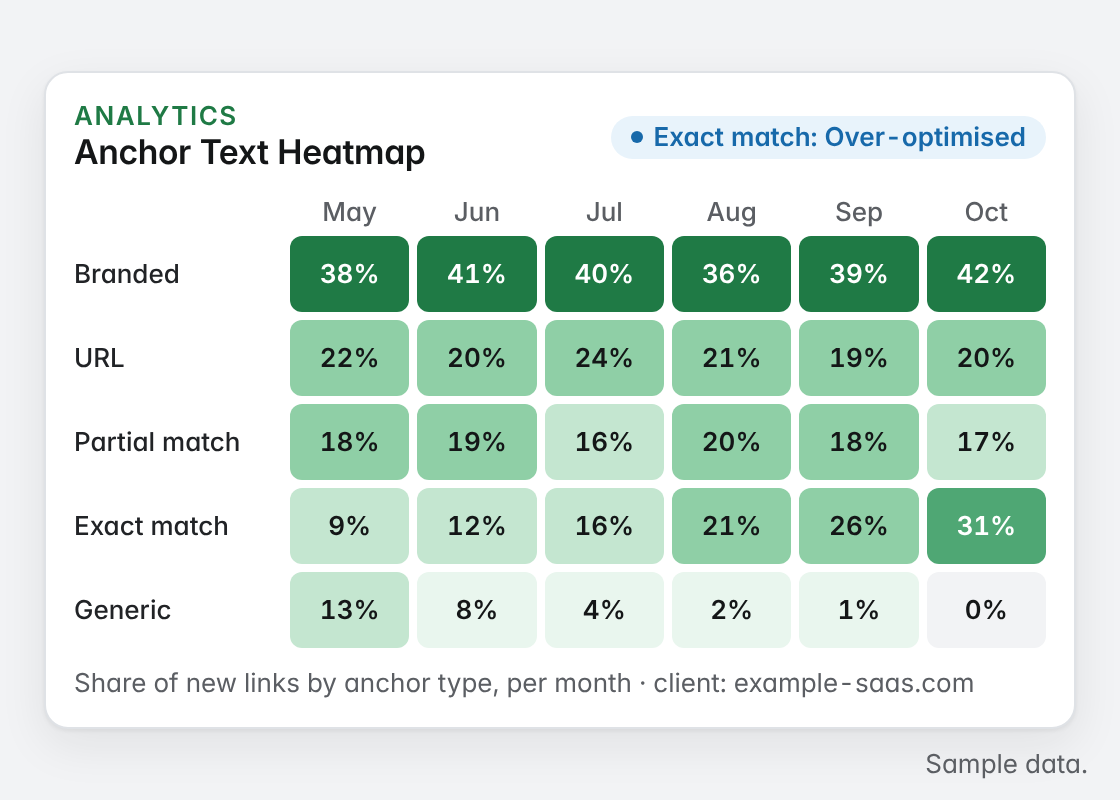
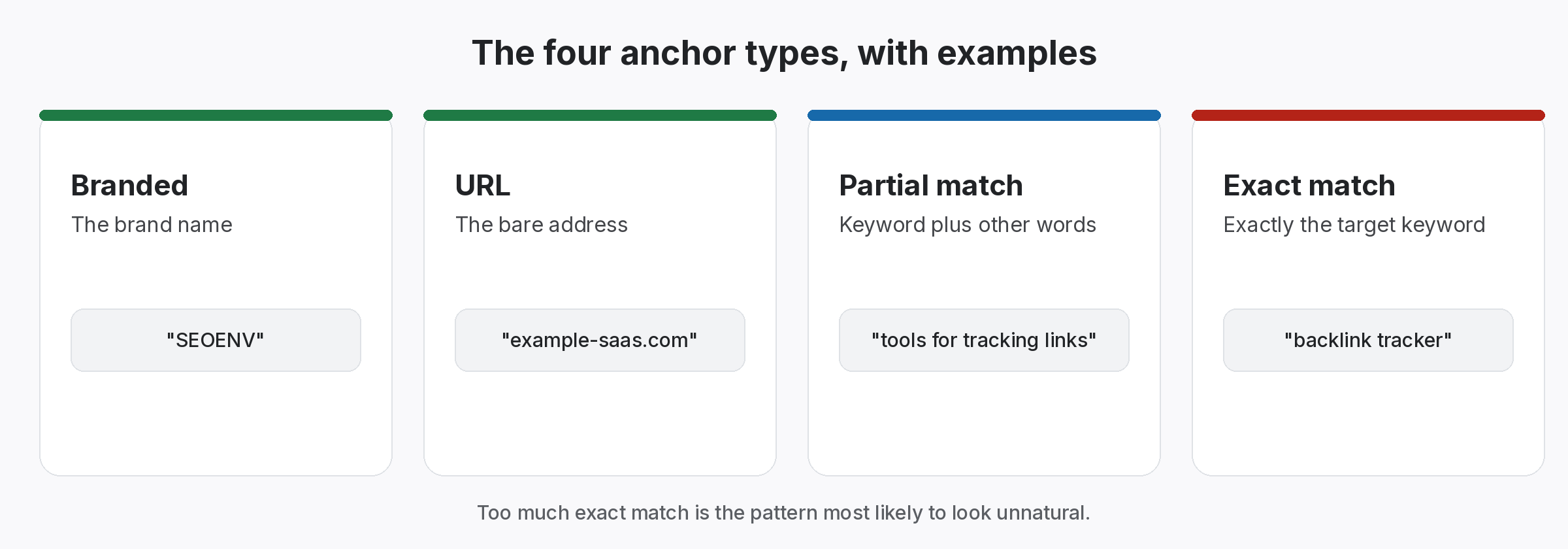
In fact, nobody plans a scheme by accident. However, patterns creep in: too many swaps with one network, or the same exact-match anchor again and again. So keep every link in one record with its type, partner and anchor. Then review the mix regularly; our guide to swap footprints covers what to look for.
- Link type: swap, guest post, listing or mention.
- Anchor: branded, URL, partial or exact.
- Partner: who links to you, and how often.
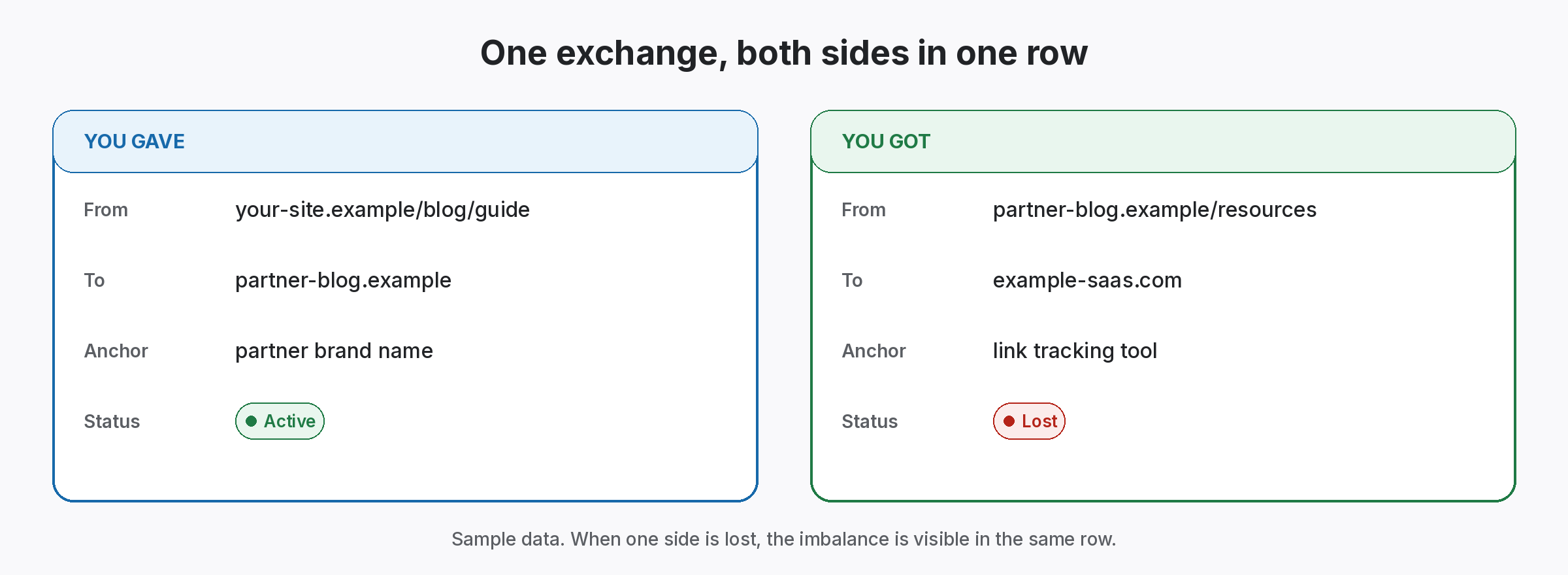
Patterns cause problems, so records should show them.
Review your link mix before someone else does.
Tools to keep your link mix natural
Free tools and live SEOENV features.
Many people avoid all outreach because they fear breaking a rule they have never read. We wrote this definition so the line is easier to see.
What happens if a site joins a link scheme
Often, search engines simply ignore unnatural links, so they bring no benefit. In more serious cases, Google may apply a manual action, which Google reports to the site owner. Besides, our guide to Google’s link spam policy explains the details.
Also, if you suspect past work crossed the line, start with an audit of the links you built. Also, our guide to a link operations audit helps, and our guide to a natural link profile shows what healthy looks like. Also, see how many link exchanges are too many.
Questions about the link scheme
What is a link scheme?
Links created mainly to manipulate rankings rather than to help readers.
Are link exchanges a link scheme?
Excessive exchanges are, however a few relevant swaps between related sites are a different matter.
Are guest posts a link scheme?
Large-scale campaigns with keyword-rich anchors can be, but a relevant article with a natural link is not.
What happens if Google finds one?
Often, the links are ignored. Serious cases can lead to a manual action.
How do I avoid one?
To begin with, keep links relevant, limited and editorial, and review your link mix regularly.
See your link mix in one place.
Record every link with its type, partner and anchor.
